
After an accident, many drivers breathe a sigh of relief, assuming their insurance policy will take care of the damage. Then the estimate arrives, and so does the surprise. Deductibles, exclusions, and policy limits often leave vehicle owners responsible for more than they expected. Collision repair isn’t always as “covered” as it sounds, especially when repairs go beyond basic structural fixes.
At Karl Malone’s Body & Paint in Draper, UT, we see this situation every day. Drivers walk in confident their policy will cover the full repair, only to discover gaps related to aftermarket parts, depreciation, alignment issues, or safety recalibrations. Insurance may pay to make a vehicle “road legal,” but that doesn’t always mean restoring it to pre-accident condition. Subtle damage can linger if it falls outside the insurer’s definition of necessity.
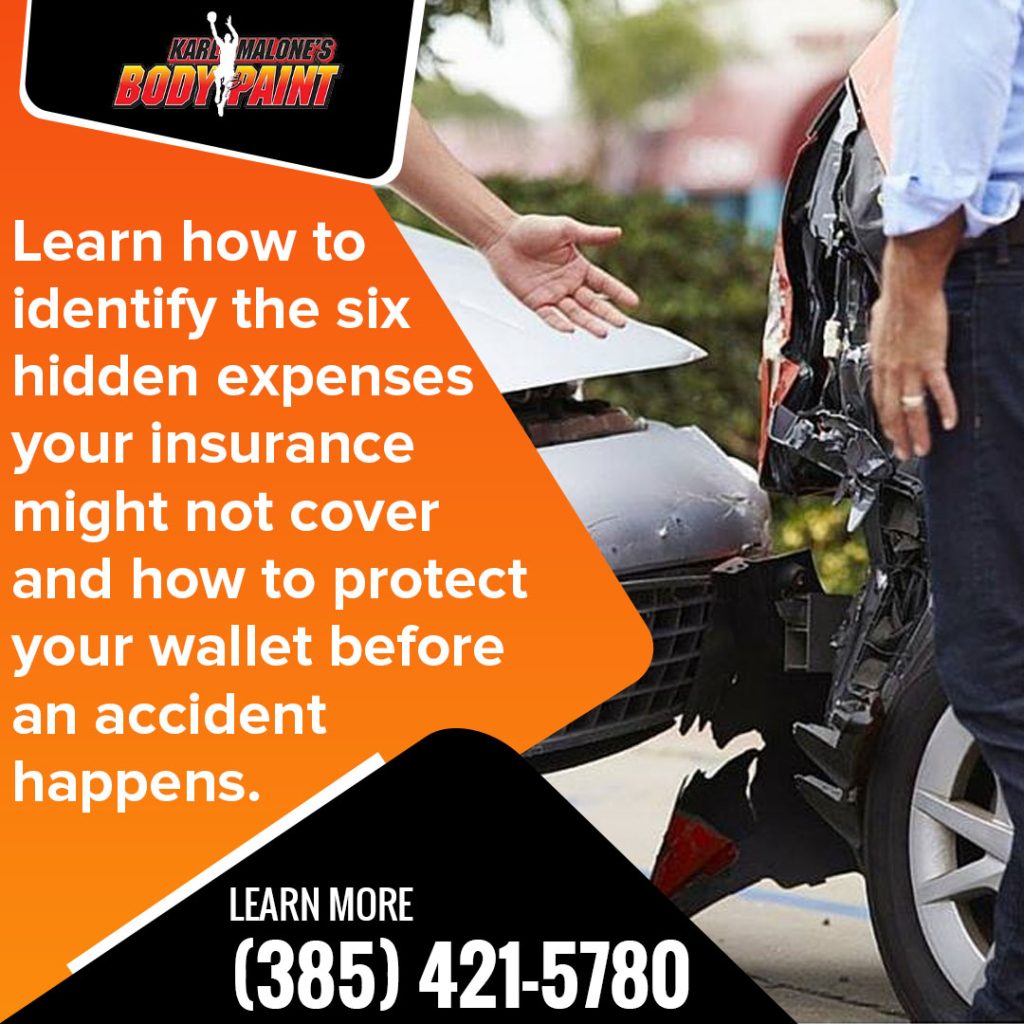
The financial impact of these gaps adds up quickly. A large share of those costs comes directly from out-of-pocket expenses drivers never planned for. Being aware of what insurance does not cover can make the difference between a frustrating repair experience and an informed one.
What Does Collision Coverage Actually Pay For?
Collision coverage pays for damage to your vehicle from an accident, minus your deductible. This applies whether you hit another car or a stationary object.
Standard collision insurance typically covers:
- Crashes with other vehicles
- Collisions with fixed objects like fences, curbs, or signposts
- Incidents involving uninsured or hit-and-run drivers
- Vehicle rollovers or tip-overs
The coverage stops there. It does not extend to repairs beyond the accident itself.
Your Immediate Out-of-Pocket Cost
Every collision claim requires you to pay a deductible before insurance contributes. Common deductible amounts range from $250 to $2,000. The most popular choice is $500.
Here is how this works in practice. If your repair costs total $3,500 and your deductible is $500, you are responsible for the first $500, and your insurance covers the remaining $3,000. If the repair cost is less than your deductible, the entire expense is paid out of pocket.
According to the latest available data from Triple-I, the average collision claim payout reached $5,992 in 2022. This marked a 15-year high for claim payouts. Even with coverage, drivers faced substantial deductible payments before insurance kicked in.
How Repair Timing Affects What You Pay
Delays in starting collision repairs can increase out-of-pocket costs. Exposed metal may corrode, moisture can damage electronics, and unresolved structural issues can worsen over time. Insurance estimates are often based on initial inspections, not delayed damage. Prompt repairs help limit additional costs that may fall outside coverage.
Six Repair Costs Insurance Will Not Cover
1. Depreciation and Diminished Value
Your vehicle loses value after an accident. Even with perfect repairs, a car’s history affects resale price. Insurance does not compensate for this loss in most states.
A $30,000 vehicle could lose $3,000 to $5,000 in market value after a reported collision. You absorb that financial hit entirely.
2. Rental Car Expenses Without Add-On Coverage
Standard collision coverage does not include rental reimbursement. If you need transportation during repairs, that cost falls on you. Rental fees add $30 to $100 per day, depending on vehicle type.
A two-week repair timeline means $420 to $1,400 in rental expenses. This catches many drivers off guard when seeking auto collision repair services.
3. Aftermarket Parts and Upgrades
Did you install custom wheels, a premium sound system, or performance modifications? Standard policies exclude aftermarket additions. Insurance pays based on factory specifications, not your upgrades. That $2,000 stereo system damaged in the crash? You cover its replacement.
Standard collision policies often don’t fully cover classic, luxury, or modified vehicles. Specialty cars may need agreed-value coverage or endorsements, or repair costs can exceed what insurance pays. Owners should review policies and consult certified shops experienced with specialty vehicles.
4. Pre-Existing Damage
Insurance adjusters inspect vehicles closely. Any damage present before the accident gets excluded from your claim. Adjusters are trained to spot pre-existing rust, dents, or wear patterns.
This becomes complicated when new and old damage exist on the same panel. The burden falls on you to prove what the accident caused.
5. Mechanical Failures Triggered by Impact
Collision coverage addresses structural and body damage. It often excludes mechanical problems that surface after repairs. If your transmission starts slipping weeks later, proving the connection to your accident becomes difficult.
Many policies specifically exclude consequential mechanical damage.
6. Storage and Towing Beyond Policy Limits
Towing to the nearest repair facility usually gets covered. Storage fees while waiting for repairs often do not. Some policies cap towing reimbursement at $50 to $100.
Extended storage at an impound lot adds $25 to $75 daily. Week-long waits create bills of $175 to $525 that fall outside coverage.
Why Initial Estimates Are Often Incomplete
Insurance estimates are written before a vehicle is disassembled. Hidden damage behind panels, under frames, or within suspension systems is common. These items often appear later as supplemental repairs, increasing total costs and sometimes triggering disputes over coverage.
Understanding Local Insurance Gaps
Utah follows a fault-based insurance system. The at-fault driver’s policy pays for damages. However, minimum liability requirements may not cover your full repair costs.
Utah requires only $25,000 in property damage liability coverage. Modern collision repairs often exceed this amount. If an at-fault driver carries minimum coverage and causes $35,000 in damage, the remaining $10,000 may become the vehicle owner’s responsibility unless additional coverage applies.
At Karl Malone’s Body & Paint, we help customers understand these limitations. We work directly with insurance adjusters to document all damage accurately.
The Gap Between Actual Cash Value and Repair Cost
Insurance pays based on your vehicle’s actual cash value (ACV), not replacement cost. ACV reflects your car’s depreciated worth at the moment of the accident.
Consider this scenario. Your five-year-old sedan needs $8,000 in repairs. The insurance company values the vehicle at $7,000. They declare it a total loss and pay you $7,000 minus your deductible.
You now face a choice: accept the payout or pay the $1,000 difference yourself for repairs. Neither option leaves you whole.
Collision Coverage: Quick Comparison
| Covered by Collision Insurance | NOT Covered by Collision Insurance |
| Vehicle-to-vehicle accidents | Deductible amount |
| Single-car crashes | Diminished vehicle value |
| Hit-and-run damage | Rental car (without add-on) |
| Rollover damage | Aftermarket parts and upgrades |
| Pothole damage | Pre-existing damage |
| Guardrail or pole impact | Storage fees beyond limits |
| ——– | Mechanical failures post-repair |
| ——– | Gap between ACV and repair cost |
When a Repair Makes Financial Sense—Even If Insurance Says No
Insurers may recommend totaling a vehicle based on cost thresholds. However, for well-maintained or recently upgraded vehicles, repairing may still be the better financial choice. Owners should weigh vehicle condition, replacement cost, and long-term reliability, not just the insurance payout.
How to Protect Yourself Before an Accident
Review Your Policy Annually
Coverage needs to change as vehicles age. A policy purchased five years ago may not fit your current situation. Check deductible amounts against your savings capacity.
Consider Gap Insurance
Gap insurance covers the difference between what you owe on a loan and your car’s actual cash value. This matters most for new vehicle owners.
Add Rental Reimbursement
This inexpensive add-on (typically $20 to $50 annually) saves hundreds during repairs. The Insurance Information Institute notes that nearly 80% of drivers carry collision coverage. Fewer add rental reimbursement protection.
Document Aftermarket Modifications
Keep receipts and photos of all vehicle upgrades. Some insurers offer endorsements for custom equipment coverage.
Choosing a Quality Collision Repair Near You
Finding quality auto collision repair requires research. The right facility understands insurance processes and advocates for complete repairs.
Karl Malone’s Body & Paint holds certifications with Ford’s National Body Shop Network, GM Collision Repair Network, and Toyota certification programs. These credentials mean we perform repairs to manufacturer specifications. The Karl Malone Difference comes from our commitment to honest assessments and repairs that restore your vehicle to pre-accident condition.
We photograph all damage before beginning work. This documentation supports your claim and identifies hidden damage adjusters might miss during initial inspections.
Environmental Compliance Matters More Than Most Drivers Realize
Professional collision repair facilities follow strict environmental standards for paint disposal, chemical handling, and waste management. Choosing a compliant shop protects you from liability, ensures safe repairs, and supports responsible practices within your community.
What to Do When Insurance Falls Short
When coverage gaps leave you with unexpected bills, consider these options.
Negotiate with your insurer: Initial estimates sometimes miss damage. Supplemental claims can address items discovered during repairs.
Use your shop’s expertise: Experienced collision repair facilities know how to document damage for maximum coverage. At Karl Malone’s Body & Paint, we communicate directly with adjusters throughout the repair process.
Explore payment options: Many repair facilities offer payment plans for the portion that insurance does not cover.

Questions About Auto Collision Repair and Insurance Coverage
- Does collision coverage pay if I hit a deer?
No. Animal strikes fall under comprehensive coverage, not collision. This surprises many drivers.
- Will insurance cover OEM parts?
Policies vary. Some require aftermarket parts. Others allow OEM (original equipment manufacturer) parts for newer vehicles. Review your policy language or request OEM coverage specifically.
- What happens if the other driver has no insurance?
Your uninsured motorist coverage applies if you carry it. Without this add-on, you pursue the other driver directly or use your own collision coverage and pay your deductible.
- Can I choose any collision repair facility near me?
Yes. Insurance companies may suggest preferred shops, but you control where repairs happen. Karl Malone’s Body & Paint works with all major insurers while prioritizing your repair needs.
Get Accurate Collision Repair Estimates Before Filing Claims
Understanding potential out-of-pocket costs helps you make learned decisions. Small claims sometimes cost less than the increase in future premiums. Larger repairs may reveal coverage gaps worth addressing before the next accident.
For auto collision repair in Draper, UT, contact Karl Malone’s Body & Paint. We provide detailed estimates that show exactly what insurance covers and what falls to you.
Call us at (385) 421-5780 or email RBeck@GoMalone.com to schedule your estimate.
Our team serves Draper, UT, and nearby areas, including Sandy, South Jordan, and the greater Salt Lake Valley. With manufacturer certifications and over 12 years serving the community, we deliver repairs that meet the highest standards.