Karl Malone’s Body & Paint performs auto collision repair on vehicles with both cosmetic and structural collision damage. Because hidden damage is common after an accident, understanding the difference between cosmetic and structural repairs can help vehicle owners make informed repair decisions.
Understanding Cosmetic vs. Structural Damage
Cosmetic damage affects your vehicle’s appearance but typically doesn’t impact how it drives. Common examples include paint scratches, minor dents, chipped paint, or bumper scuffs.
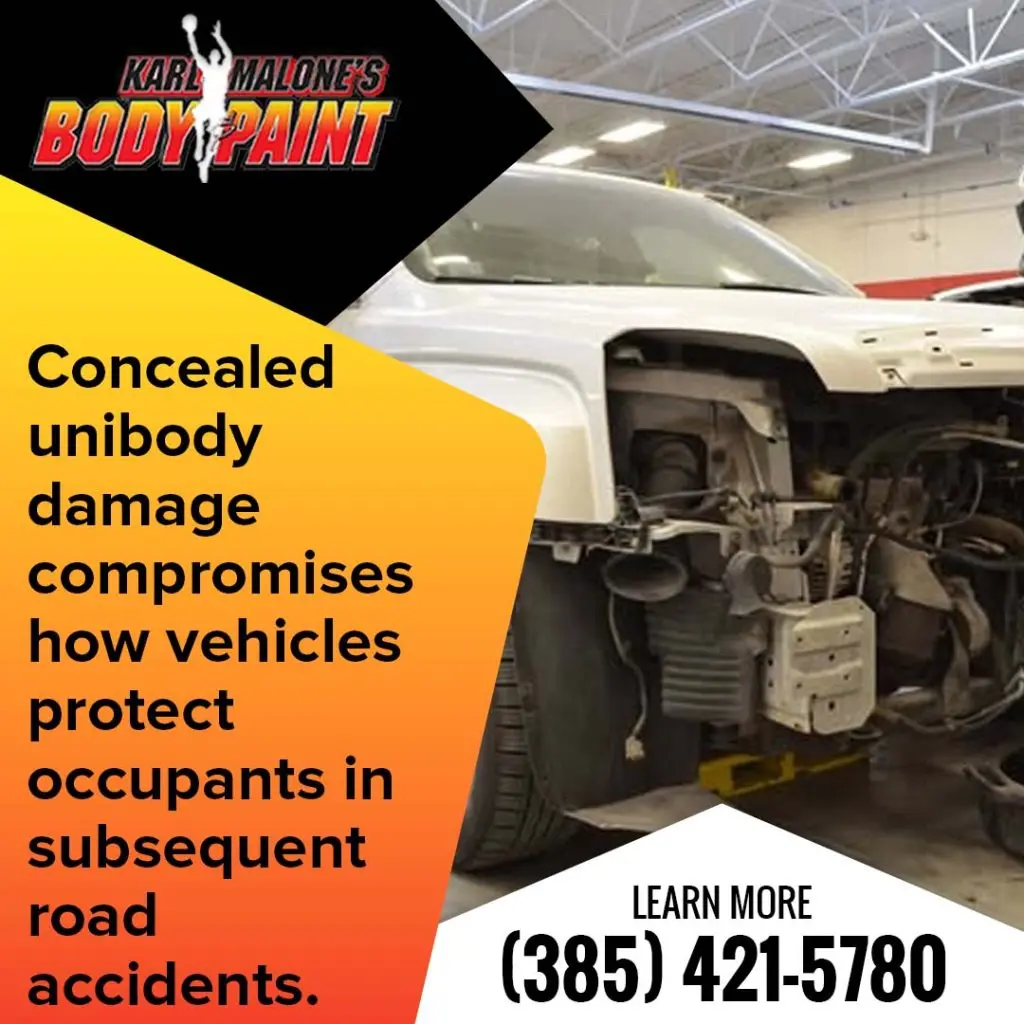
Structural damage, on the other hand, affects the parts of your vehicle designed to absorb impact and protect occupants during a collision. These components may include the vehicle’s frame (on body-on-frame vehicles), unibody structure, frame rails, rocker panels, pillars, crossmembers, and other structural members designed to manage crash energy. Even if the exterior damage looks minor, a moderate or high-impact collision can still cause hidden structural issues.
Warning Signs Your Vehicle May Have Structural Damage
Some warning signs are easy to spot, while others become noticeable only after you begin driving.
Signs to Look For
- Uneven gaps between body panels
- Doors, hood, or trunk that no longer close properly
- A steering wheel that sits off-center
- The vehicle, pulling to one side
- Unusual vibrations or uneven tire wear
Structural damage isn’t always visible. At Karl Malone’s Body & Paint, we’ve inspected vehicles that appeared to have only minor bumper damage but were later found to have hidden frame or suspension issues. Modern vehicles use unibody construction designed to absorb crash forces, meaning damage may be concealed beneath exterior panels. The National Highway Traffic Safety Administration advises that vehicles involved in a collision should be inspected for damage to critical safety systems, including airbags, seat belts, and other occupant protection components, with repairs performed according to manufacturer recommendations.
Why Identifying Structural Damage Early Matters
Ignoring structural damage can affect more than your vehicle’s appearance. Misaligned structural components may influence steering, suspension, braking, and how the vehicle performs in a future collision.
Even cosmetic damage deserves attention if it exposes bare metal, as moisture can lead to corrosion over time.
According to the Insurance Institute for Highway Safety (IIHS), vehicles are designed with crashworthy structures and safety systems that work together to protect occupants during a collision. Because crashworthiness depends on how a vehicle protects occupants during a collision, collision repairs should follow manufacturer repair procedures to help restore the vehicle’s structural integrity and safety systems.
How Professionals Determine the Type of Damage
While a visual inspection can reveal obvious damage, it rarely tells the full story.
During a car accident repair, collision professionals inspect both visible and hidden damage using specialized measuring equipment and manufacturer repair procedures. They evaluate structural alignment, inspect affected components, and determine whether repairs are limited to cosmetic panels or involve the vehicle’s structural integrity.
This thorough assessment helps ensure repairs address the underlying damage, not just the visible dents and scratches.
One customer shared their experience after working with Karl Malone’s Body & Paint:
“Marcus Boehme was awesome to work with. Very realistic, thorough, and kept me updated with the changes of the car. Highly recommend working with him. He will take good care of you.” – Peter M. Sundwall
At Karl Malone’s Body & Paint, trained technicians understand that every collision is different. A comprehensive inspection provides the information needed to recommend the most appropriate repair approach.
What to Expect After the Inspection
If the damage is cosmetic, repairs may involve dent removal, refinishing, or repainting damaged panels.
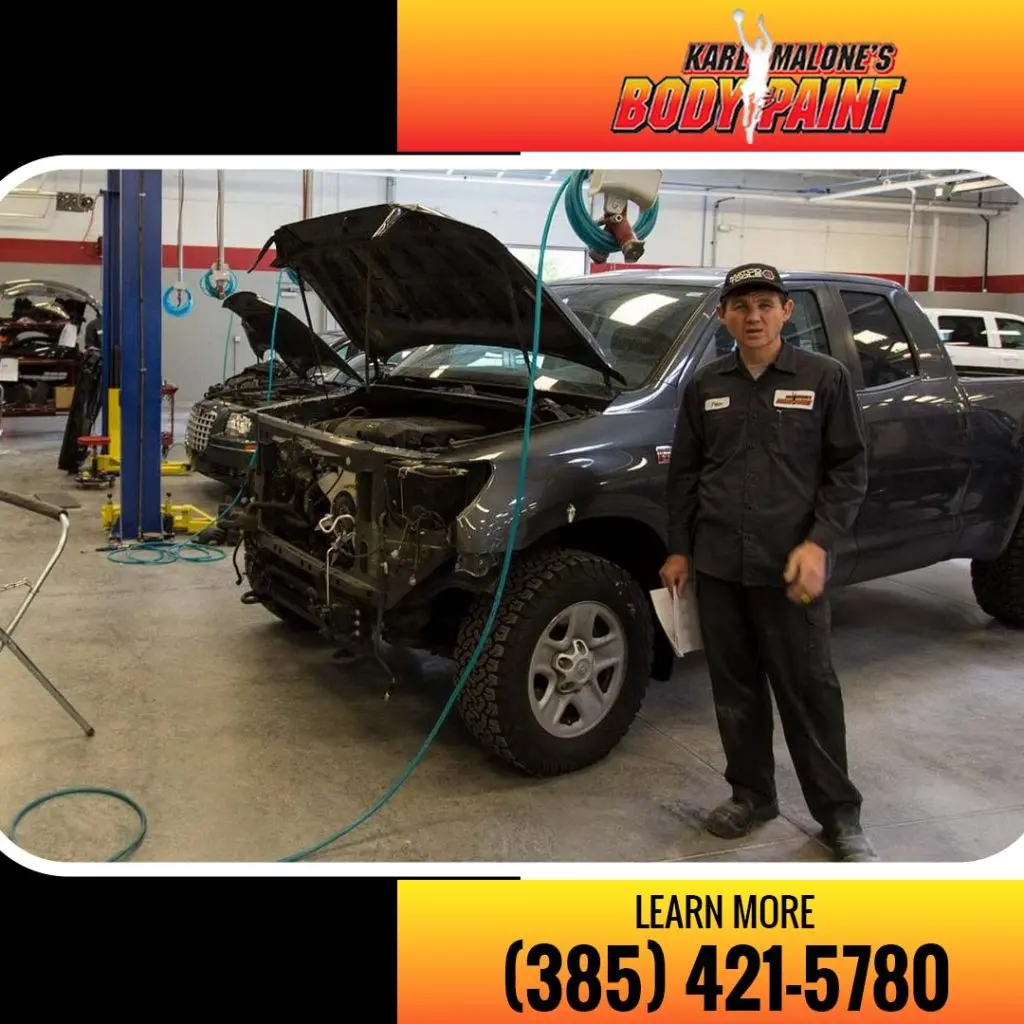
Structural repairs are typically more extensive and may require frame or unibody corrections, replacement of damaged structural components, and precise measurements to restore the vehicle to manufacturer specifications.
Factors That Influence Repair Time and Cost
- The severity of the collision
- Parts availability
- Vehicle design
- Insurance approval process
Most insurance policies that include collision coverage generally help pay for covered accident-related damage, although coverage depends on your individual policy.
Making the Right Choice After a Vehicle Collision
If you’re unsure whether your vehicle has cosmetic or structural damage, a professional inspection is the safest first step. A trusted local collision repair center can identify hidden issues and restore your vehicle according to manufacturer standards. For peace of mind, choose an experienced collision center near Riverton, UT.
Whether you need minor refinishing or more extensive auto collision repair, Karl Malone’s Body & Paint is committed to helping drivers understand their vehicle’s condition and restore its safety and appearance. If you’re looking for collision repair near Riverton, UT, contact Karl Malone’s Body & Paint at (801) 553-5880 or RBeck@GoMalone.com to schedule an inspection.